
BITCOIN / THE OCTOBER BRIEF
Bitcoin’s Monetary Case Meets a Mixed Market
The October Bitcoin brief: price above its trend, a week of ETF outflows, and the lasting cost of consumer inflation.

Sound money. Clear thinking.
Sound money. Clear thinking. Austrian economics, Bitcoin and the cost of inflation. Sourced evidence, clear arguments and the countercase.
Find your Bitcoin reading path ↗The October Bitcoin brief: price above its trend, a week of ETF outflows, and the lasting cost of consumer inflation.
Fixed research snapshots.
Each source has its own reporting clock.
Price is above the 200-day trend and 32.9% below the dataset’s peak. A trend is not a valuation.
Bitstamp close · 11 Oct 2026 02 / INSTITUTIONAL DEMAND−$678.9m in five sessionsNet US spot ETF outflows. One channel, one window; investor motives and hedges remain unknown.
Farside · 5–9 Oct 2026 03 / CASH PURCHASING POWER77.0 out of 100 remainsUnchanged cash against the US CPI basket since January 2020. No interest; not every household’s costs.
BLS / FRED · Aug 2026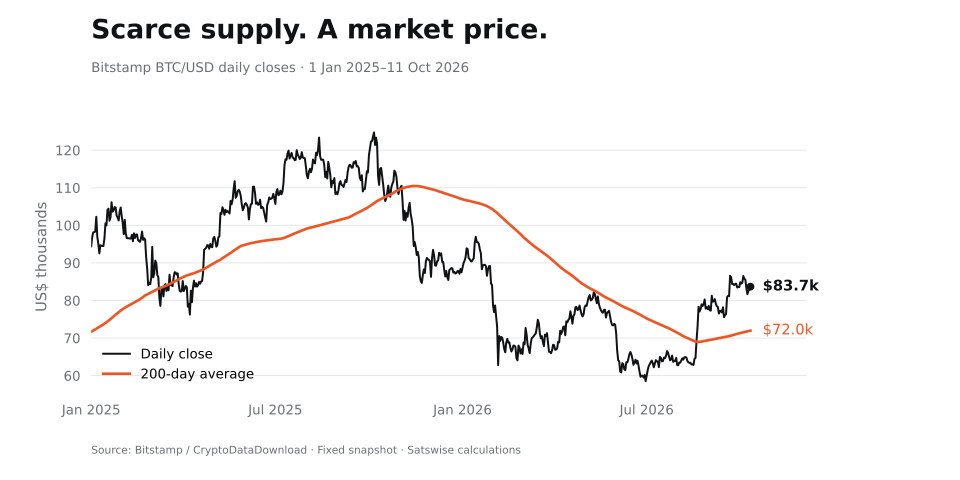
The October Bitcoin brief: price above its trend, a week of ETF outflows, and the lasting cost of consumer inflation.
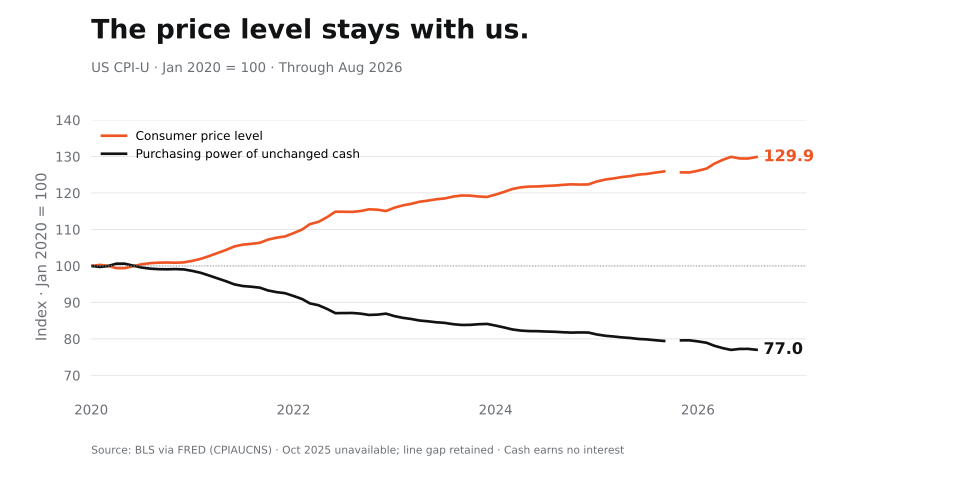
Why disinflation does not undo higher prices, what US CPI shows about cash, and how even small inflation rates compound.
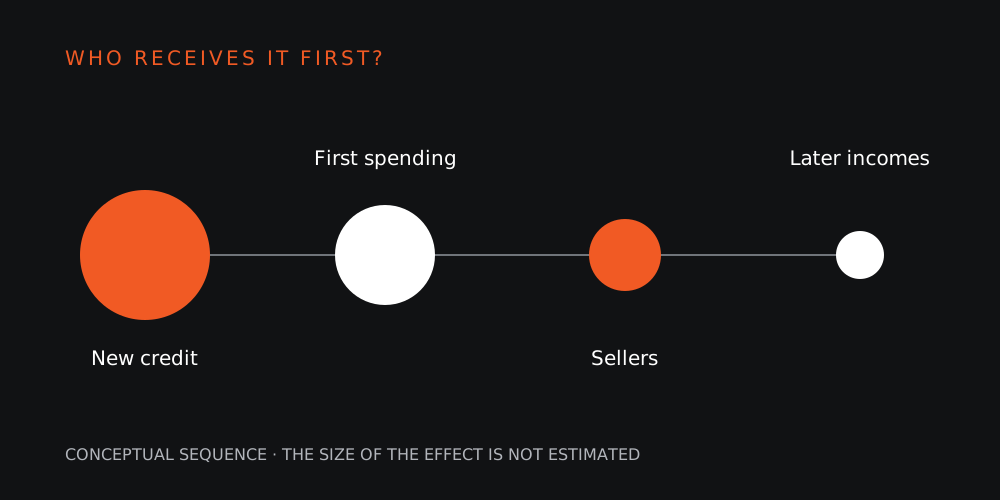
Follow the route of new credit to understand unequal timing, monetary privileges, and similar incentives inside crypto.

Mises, Hayek and the argument for monetary choice: economic calculation, credit incentives, verifiable rules and the strongest objections.
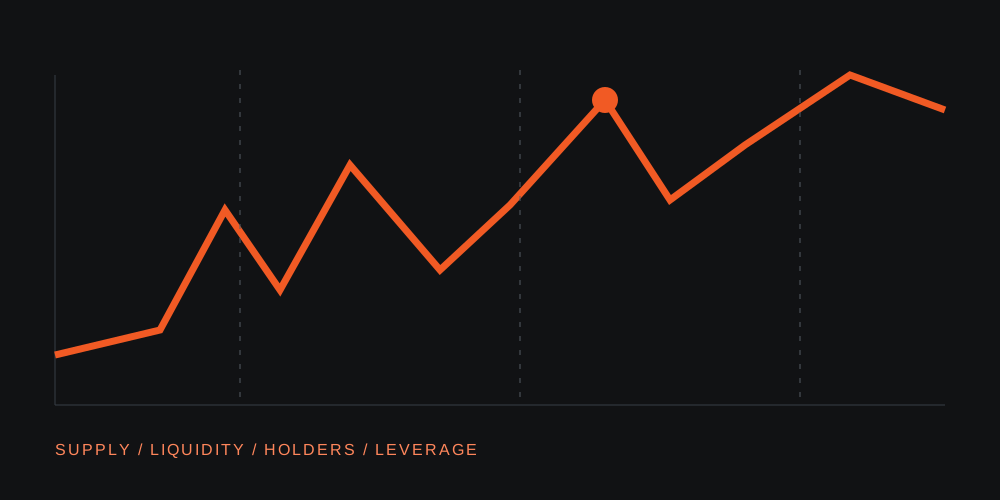
Understand Bitcoin market cycles through halving history, drawdowns, holder cost basis, ETF flows, leverage and liquidity.
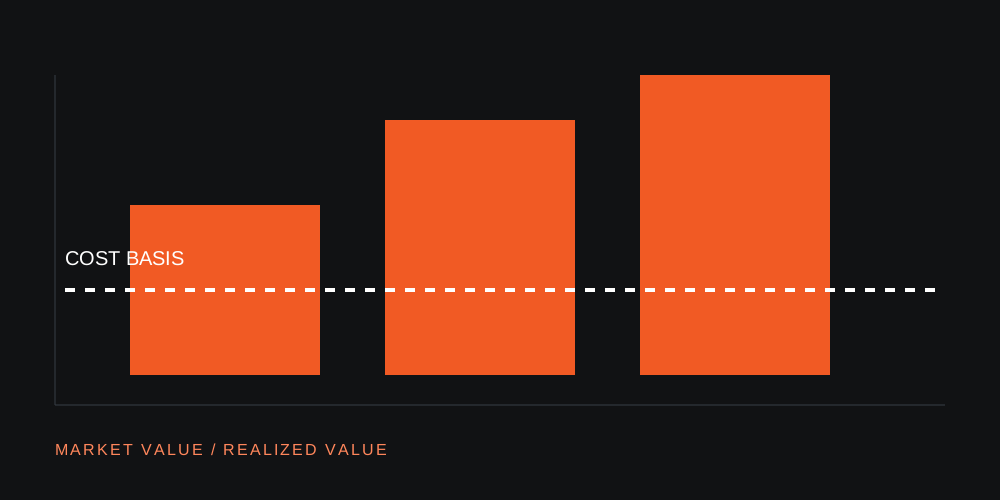
Learn how Bitcoin MVRV, realized price and NUPL are calculated, where their inputs overlap and how holder cohorts add context.
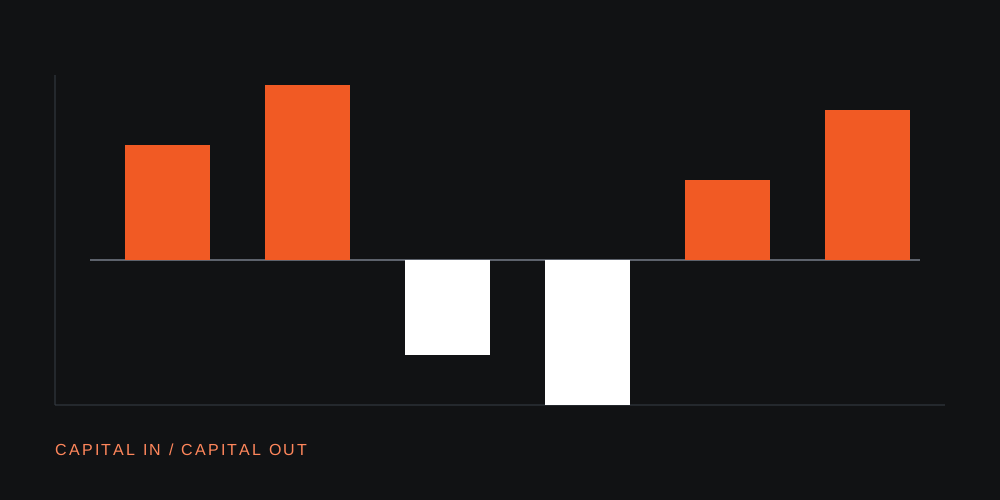
Understand Bitcoin ETF net flows, AUM, holdings and hedged positions, with a dated historical chart and transparent calculations.
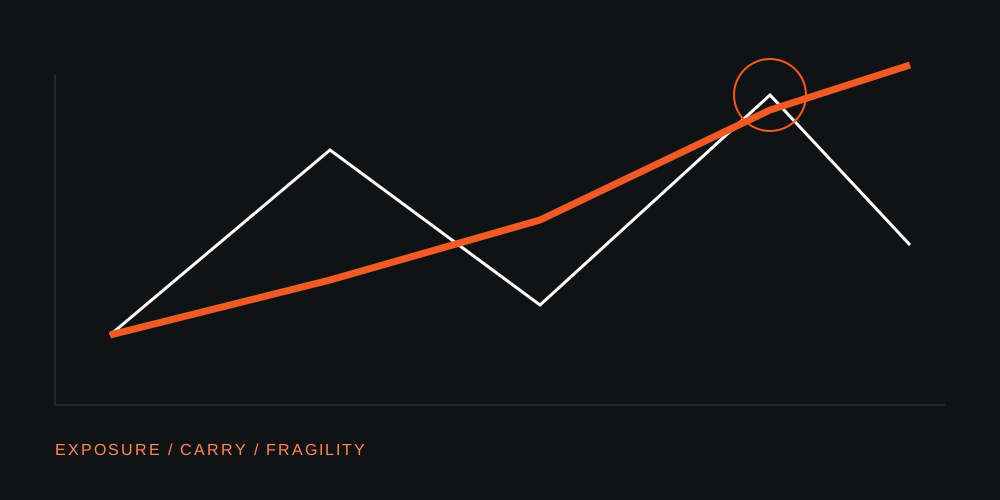
Read Bitcoin funding rates and open interest with worked examples, consistent units and a framework for interpreting leveraged positions.

Explore Bitcoin liquidity through real yields, the broad dollar index and credit spreads, with a framework for testing macro claims.
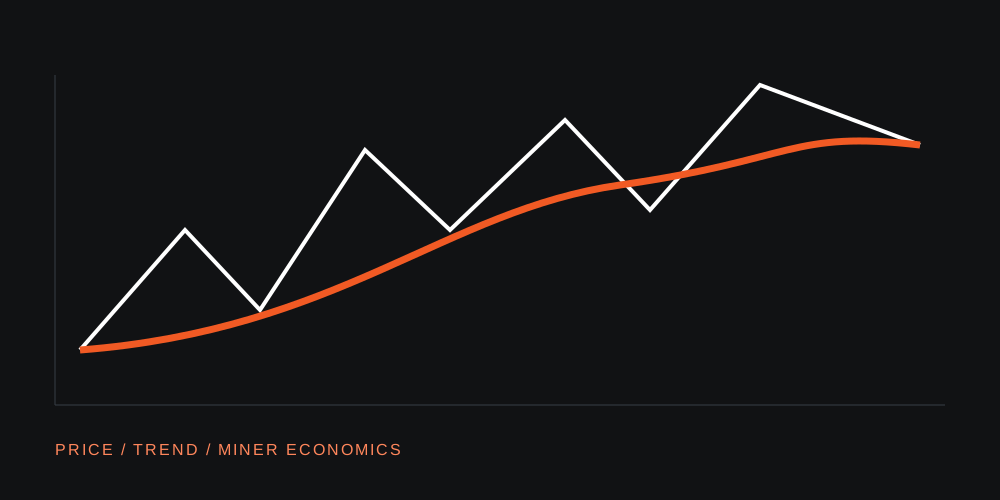
Learn how Bitcoin’s 200-day moving average, Mayer Multiple and drawdowns are calculated, with historical charts and clear limitations.

Understand Bitcoin’s 21 million supply limit, block subsidies and halving schedule, and why issuance differs from available market supply.

Compare Bitcoin custody models through control, dependencies and recovery, with a practical framework for evaluating access risks.

Trace crypto fees, revenue, token burns and holder rights to understand how network activity can connect to token value.
Understand how interest rates can affect Bitcoin through expectations, borrowing costs and capital allocation, with a worked policy example.

Explore AI agent payments, x402 and wallet infrastructure, and trace which businesses or tokens could capture the economic value.
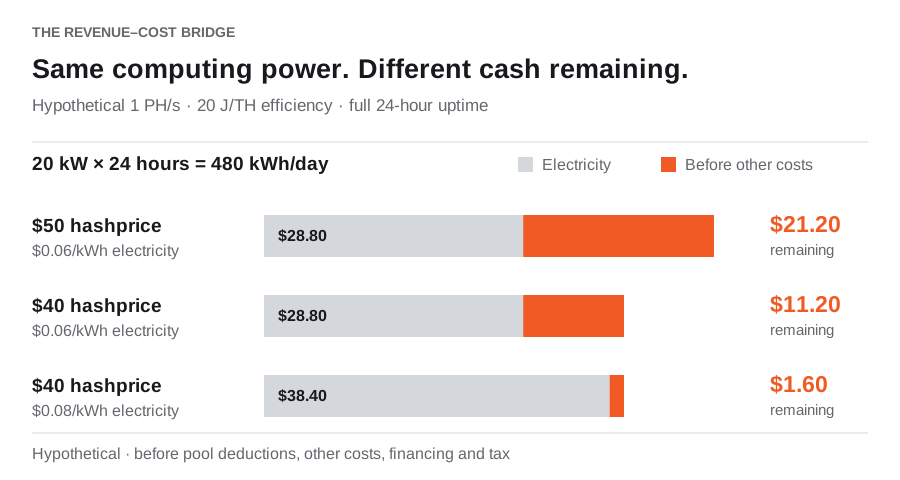
Understand Bitcoin miner economics through Puell, hashprice, fees, efficiency and electricity costs, with a worked example of revenue pressure.
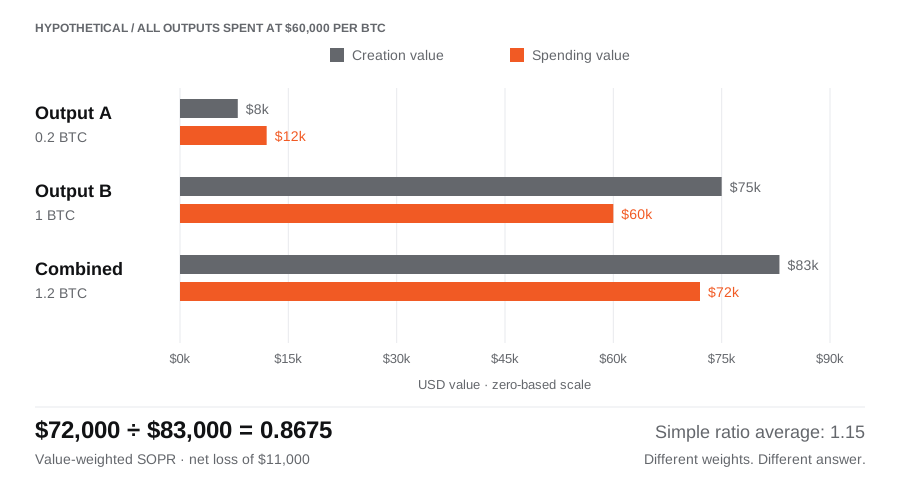
Understand Bitcoin’s spent output profit ratio, adjusted SOPR and holder cohorts through a worked example and the limits of profit-taking signals.
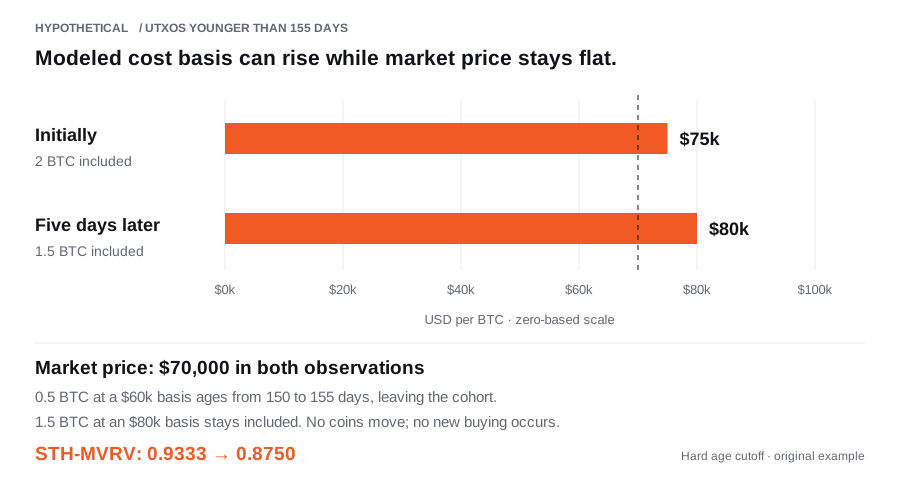
Learn how Bitcoin’s short-term holder cost basis is calculated, why the 155-day methodology matters and how cohort changes affect the reading.
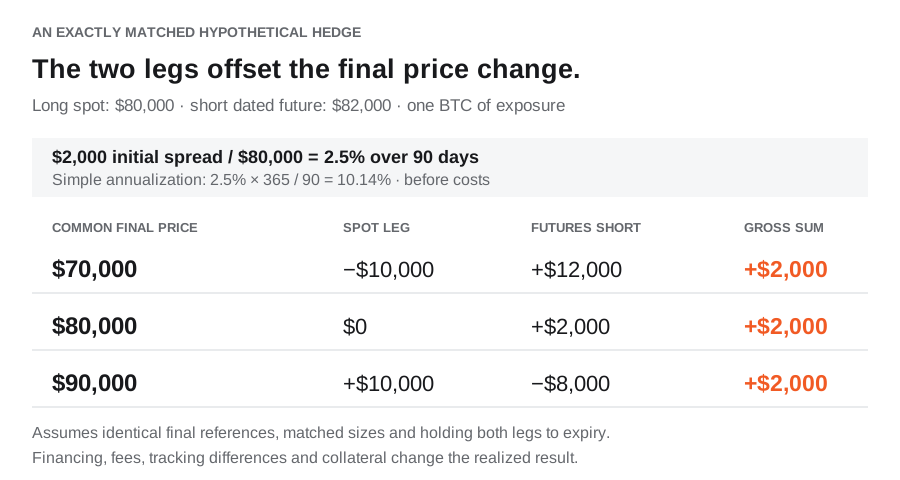
Learn how Bitcoin futures basis is calculated, what annualization means and why ETF inflows can accompany futures shorts, with transparent examples.
New credit creates purchasing claims. It does not, by itself, create the labour, energy and capital needed to fulfil them.
Follow where new money enters, which prices adjust and whose income changes later. An average cannot tell the whole story.
We favour monetary competition and verifiable rules. Every alternative still needs evidence of usefulness and resilience.
